Exploring Local History Through Cultural Events
Local history is often woven into the fabric of cultural events, providing opportunities for community engagement and personal enrichment. This article will explore how participating in these events can illuminate the past, foster connections, and enhance our understanding of local heritage.
Understanding the Significance of Cultural Events
Cultural events serve as a medium through which local history can be appreciated and preserved. According to research by the National Endowment for the Arts, engagement in cultural activities can enhance community cohesion and personal well-being. These events often feature local traditions, historical storytelling, and performances that reflect the unique heritage of a region.
"Participation in cultural events can provide valuable insights into the community's history and foster a sense of belonging." - Cultural Studies Expert
How Cultural Events Represent Local History
Various types of cultural events provide platforms for historical exploration:
- Festivals: Many local festivals celebrate historical milestones, such as anniversaries of significant events or the founding of the community. These gatherings often feature local cuisine, music, and storytelling that reflect the cultural heritage.
- Art Exhibitions: Local galleries may host exhibitions showcasing artists who draw inspiration from historical themes, often highlighting stories from the past that resonate within the community.
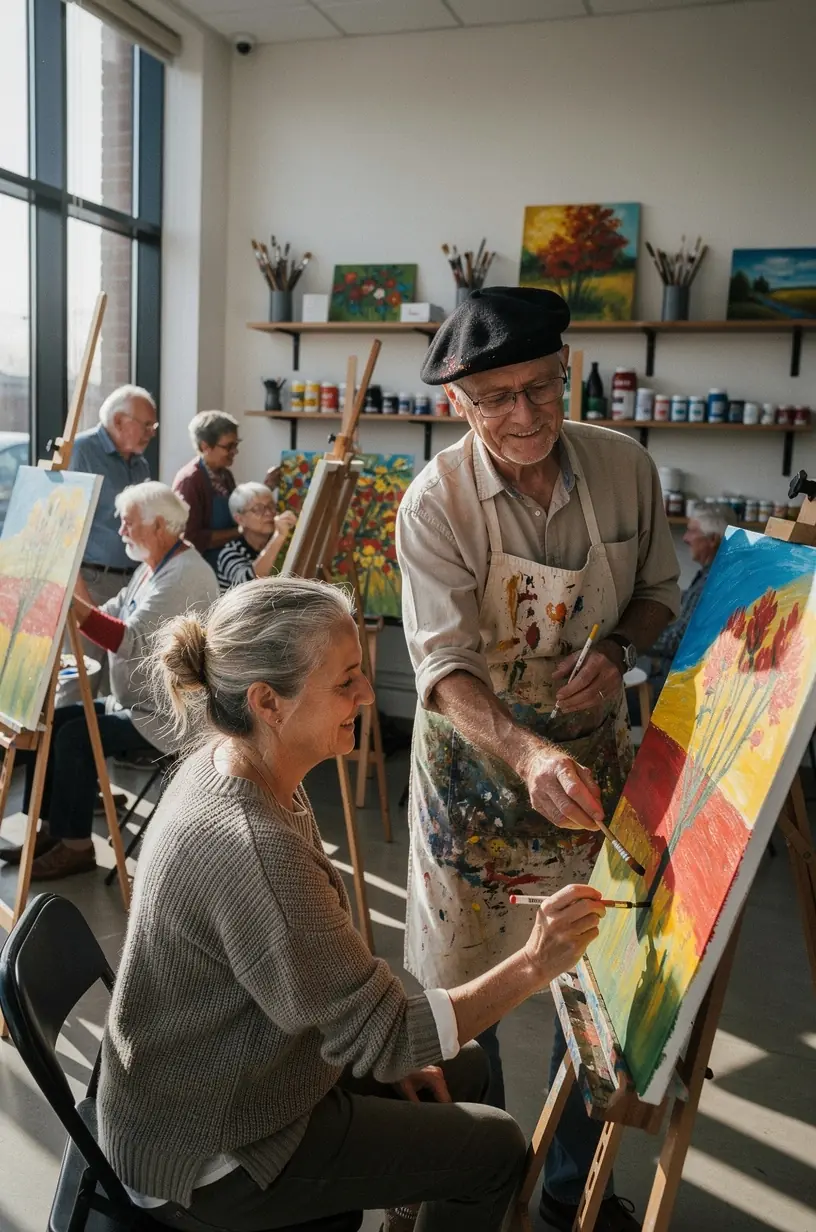
- Workshops and Lectures: Educational events, such as workshops or lectures featuring local historians, can provide deeper insights into specific historical events or figures relevant to the area.
Benefits of Engaging with Local History Through Cultural Events
Participating in these events can offer several benefits:
- Enhanced Understanding: Engaging with local history can lead to a better understanding of your community's roots and how they shape current events. Experts recommend that this engagement can foster a deeper appreciation for one’s environment.
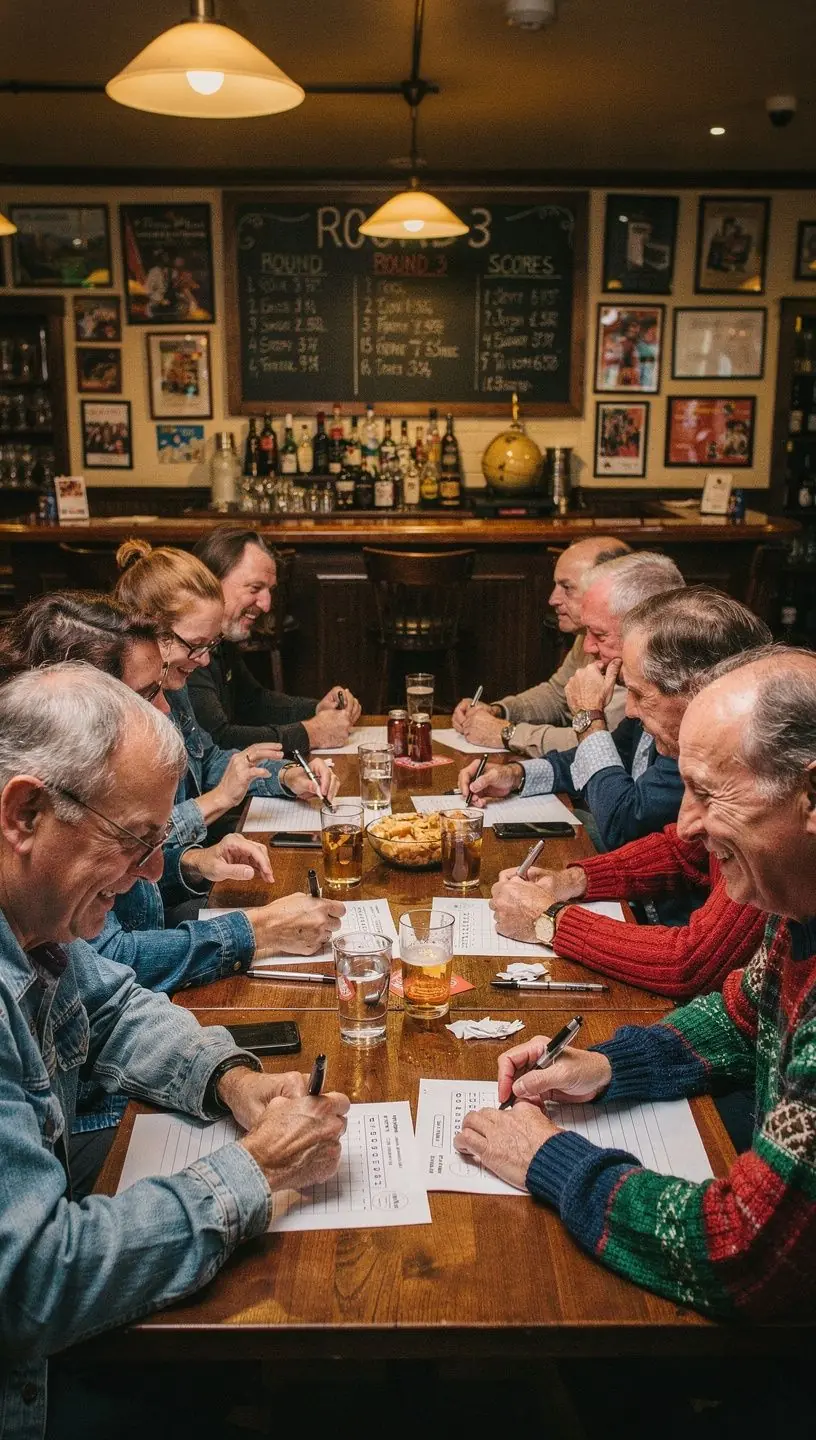
- Community Connection: Cultural events typically bring together diverse groups, promoting social interaction and community spirit. Many users report feeling more connected to their neighbors and local culture.
- Personal Growth: Exploring history through culture can inspire personal reflection and growth, as individuals often find connections between past events and their own lives.
How to Get Involved
If you’re interested in exploring your local history through cultural events, consider the following steps:
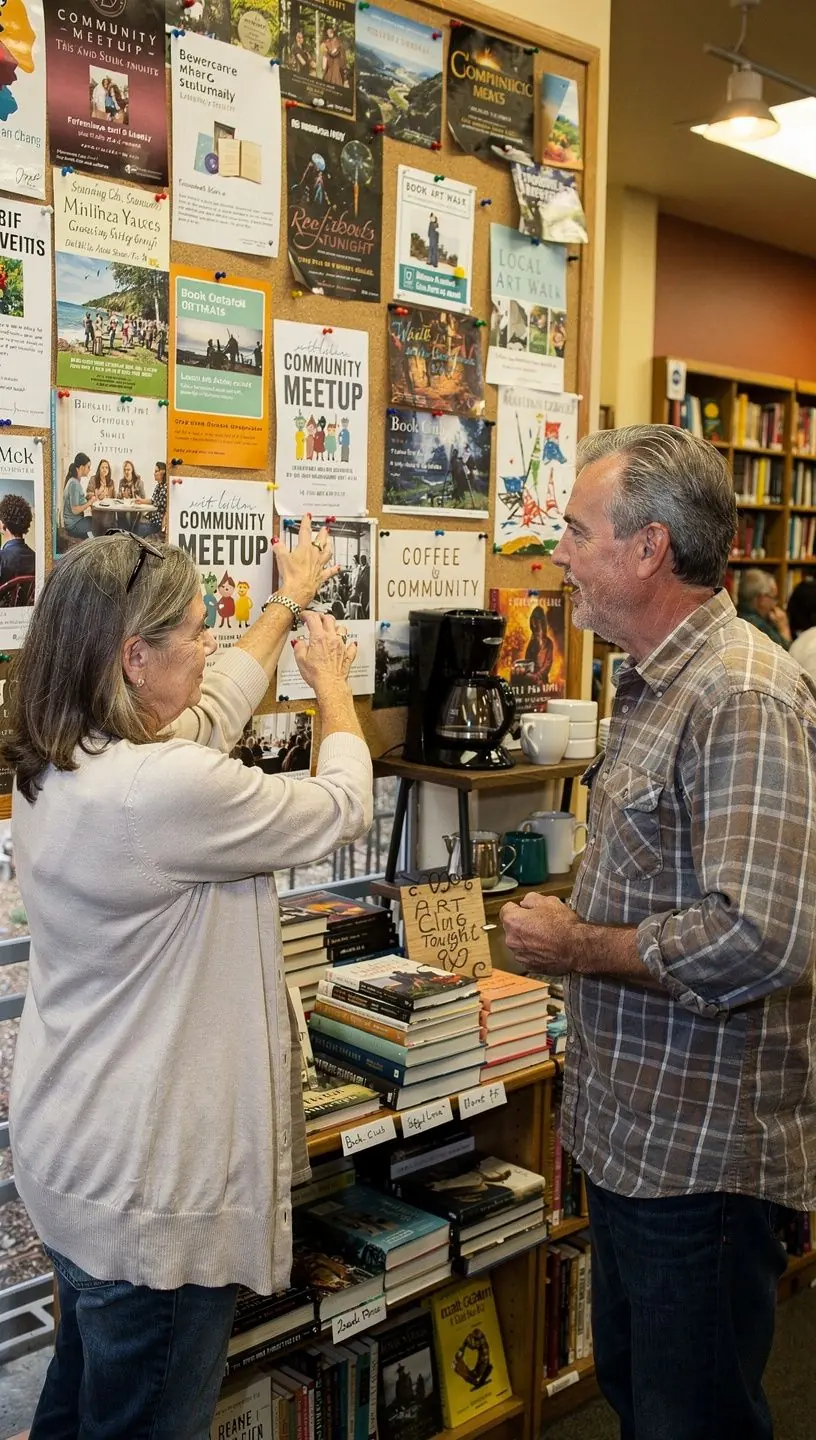
- Research Local Events: Check community boards, local newspapers, and social media groups to find upcoming events that focus on local history.
- Participate Actively: Attend events and engage in discussions, workshops, or volunteer opportunities that allow you to interact with other community members and experts.
- Share Your Experiences: Encourage others to learn about local history by sharing your experiences on social media or in community forums.
Conclusion
Exploring local history through cultural events is not only an enriching experience but also a way to connect with your community. By engaging with these activities, you can gain a deeper understanding of the narratives that shape your surroundings, promote community bonds, and inspire personal growth. As you navigate through the varied offerings, remember that every event is an opportunity to learn and connect.